
about
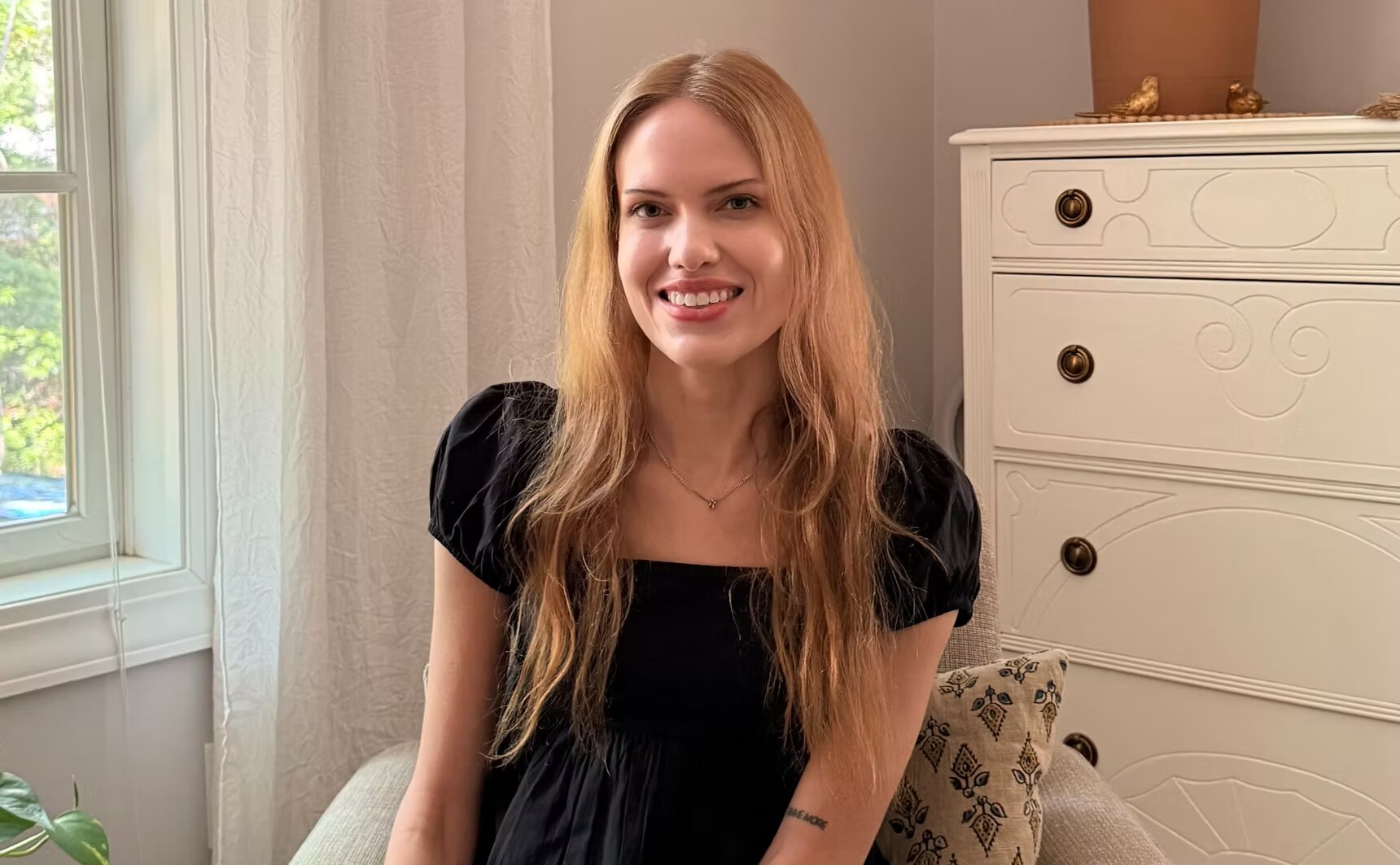
rachel allen.
b.s. · cpss · trauma-focused breathwork practitioner · mount pleasant, sc
the approach
this is patient, honest work that meets you exactly where you are. there is no pushing through, no forcing the body to reveal what it isn't ready to. rachel holds the room with patience, curiosity, and care — letting the nervous system set the pace and trusting that the body, given enough safety, knows how to soften on its own.
sessions move at the speed of trust. some days that looks like quiet, grounded breath. some days it looks like tears, laughter, or the long exhale of something finally being allowed to leave. all of it is welcome.
background
rachel has spent a decade in the recovery field, walking alongside people on their healing journeys. that work is the soil this practice grew in — a deep respect for autonomy, harm reduction, and the many different shapes a healing path can take.
she came to breathwork after years of holding space for other people's stories. somewhere along the way, it became clear that the body was carrying what words couldn't quite reach — grief, memory, sensation, all of it waiting patiently to be felt. breathwork became the door back in. it is the practice she now offers to others, with the same gentleness she once needed herself.
the philosophy
the body remembers. healing, in this practice, doesn't come from pushing harder or breathing more intensely. it comes from listening — slowly, honestly, without an agenda — to what is already here.
this breathwork is an invitation, not a technique to perform. it's grounded in nervous system awareness, in the wisdom of recovery work, and in the belief that nothing inside of you needs to be forced. you are not a problem to solve. you are a body learning, again, that it is safe to feel.
you already have everything you need. this work is just a quiet place to remember it.
approaches
optional
not ready to book online?
leave your details and rachel's team will reach out to help you find a time.